
Water Treatment Plant (WTP)
A Water Treatment Plant (WTP) is an essential infrastructure facility designed to process raw water from natural sources
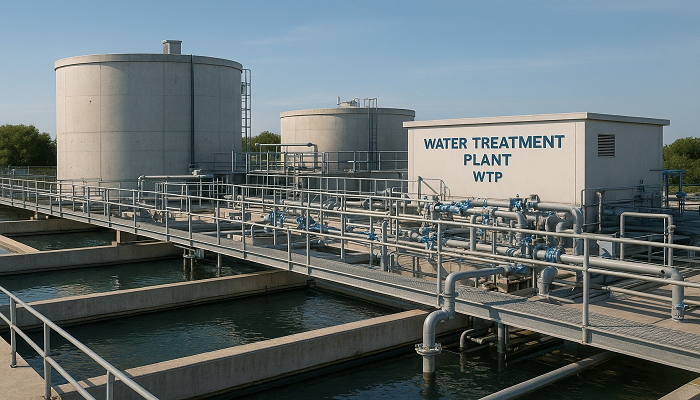
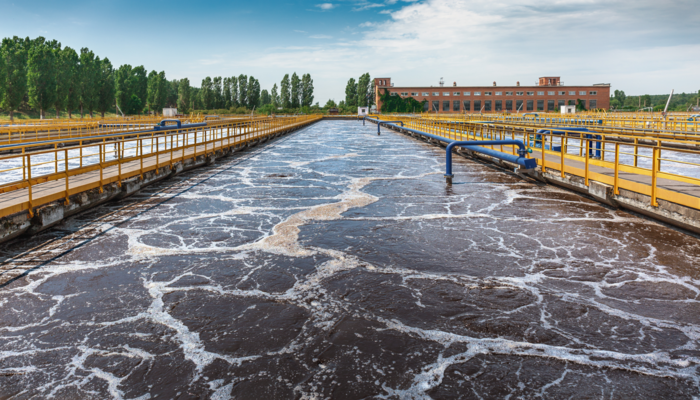
Water treatment plants purify raw or contaminated water through processes like filtration, disinfection, reverse osmosis, and demineralization to make it safe for various uses.
Types and Applications
• Drinking Water Plants: Produce potable water for cities, housing, and bottled products by removing contaminants and pathogens.
• Sewage/Wastewater Plants: Treat domestic and light industrial sewage for reuse in irrigation, flushing, or discharge.
• Industrial Plants: Provide high-purity water via RO or demineralization for processes in food/beverage, pharmaceuticals, power, and electronics.
• Desalination Plants: Convert seawater to freshwater in arid regions like Saudi Arabia for residents and industries.
Key Benefits
- Plants enable water purification, softening, reuse, and distribution while supporting recycling to combat scarcity.
- They remove minerals, bacteria, and pollutants for boiler feed, cleaning, and manufacturing efficiency.
- Wastewater treatment also generates biogas for energy in some systems.
- f water is cloudy, allow it to settle, then filter it through a clean cloth, paper towel, or coffee filter before boiling.
- Boiling water for at least one minute is sufficient to kill most harmful pathogens.
- Water purification methods such as filtration, disinfection, and chemical treatment remove contaminants, making water safe for consumption.