
Effluent Treatment Plant (ETP)
Industrial ETPs that tame shock loads and deliver consistent, audit-ready performance.
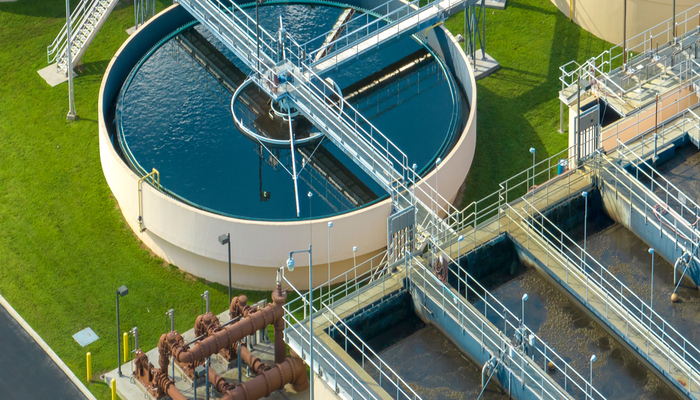
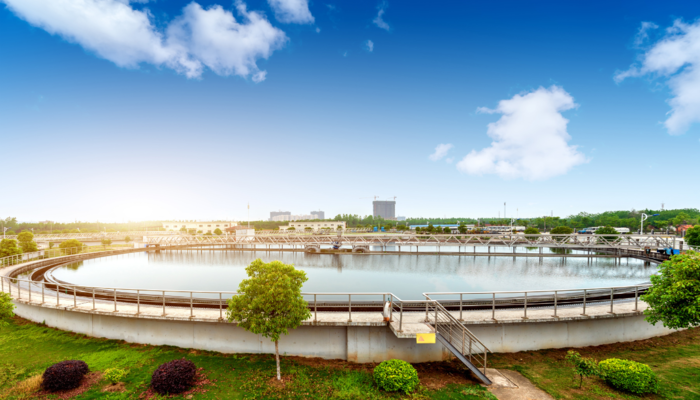
An Effluent Treatment Plant (ETP) is a specialized facility designed for treating industrial wastewater (effluent) to remove harmful contaminants before releasing it into the environment or for reuse. The treatment process typically involves physical, chemical, and biological methods to ensure that the discharged water meets regulatory standards and reduces environmental pollution.
Process and Design of ETP
ETPs generally consist of several key treatment stages:
-
Preliminary treatment: Removes large solids and debris through screening and grit removal to protect downstream equipment.
-
Primary treatment: Employs sedimentation to settle suspended solids and remove oils and greases, reducing organic load.
-
Secondary treatment: Uses biological methods such as activated sludge, trickling filters, or sequential batch reactors where microorganisms decompose organic pollutants in aeration tanks.
-
Tertiary treatment: Provides advanced purification including filtration, chemical coagulation, flocculation, and disinfection to remove residual solids, pathogens, and harmful chemicals.
-
Sludge treatment: Manages the sludge by thickening, digestion (aerobic or anaerobic), dewatering, and safe disposal or reuse.
The design of an ETP depends on the industrial wastewater characteristics, volume, regulatory requirements, and intended effluent use or discharge. It may integrate Zero Liquid Discharge (ZLD) systems to minimize waste discharge by recovering and reusing water and solids.
Applications and Uses
-
Treatment of industrial effluents from manufacturing units, textile plants, chemical factories, pharmaceuticals, food processing, and more.
-
Ensures safe discharge into water bodies by removing hazardous substances that could cause environmental damage.
-
Recycles treated water for industrial processes, irrigation, or municipal use, conserving freshwater resources.
-
Reduces the toxic load of pollutants to protect aquatic ecosystems and comply with environmental regulations.
Key Benefits
- Textile and dyeing units
- Chemical processing plants
- Pharmaceutical and healthcare industries
- Metal plating and finishing facilities
- Food and beverage manufacturing
- Paper and pulp production