
Reverse Osmosis
High-recovery RO systems for reuse and process water with stable flux.
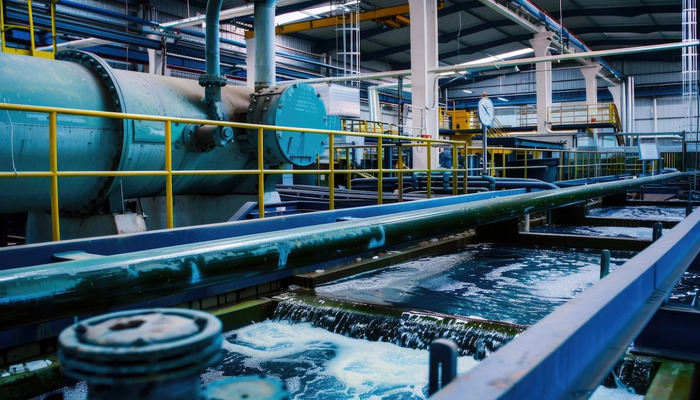
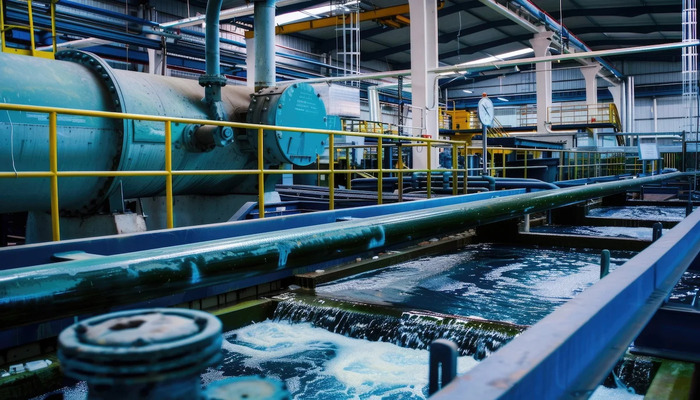
A Reverse Osmosis (RO) plant is a water purification system that removes dissolved salts, impurities, and contaminants from water by forcing it through a semipermeable membrane under high pressure. The membrane filters out particles, bacteria, viruses, and dissolved solids, providing purified water suitable for various uses.
Design and Process
-
The RO plant design starts with evaluating the feed water source, its quality, and defining the treated water quality goals.
-
Pre-treatment units like sand filters, activated carbon filters, and microfiltration remove suspended particles and chlorine to protect the RO membrane.
-
High-pressure pumps push the water through the RO membranes, which separate permeate (pure water) from concentrate (rejected contaminants).
-
Membranes are selected based on feed water type (seawater, brackish water, or freshwater) and salt concentration (TDS levels).
-
The system may be single-stage or multi-stage, with multiple pressure vessels and membranes arranged for optimal recovery and rejection.
-
Control systems monitor pressure, flow, and water quality to optimize performance and prevent damage.
-
Post-treatment may include UV sterilization, pH adjustment, or remineralization depending on use requirements.
Applications and Uses
-
Producing drinking water from seawater or brackish water in municipal and remote areas.
-
Providing ultrapure water for pharmaceuticals, laboratories, and electronics manufacturing.
-
Industrial process water for cooling towers, boilers, and food processing.
-
Wastewater reuse by removing dissolved solids and contaminants.
-
Agricultural irrigation with treated water in water-scarce regions.
Key Benefits
- Desalination plants for seawater and brackish water.
- Industrial facilities requiring high purity process water.
- Municipal water treatment plants for safe drinking water.
- Municipal water treatment plants for safe drinking water.
- Remote communities or islands lacking freshwater sources.
- Hospitals, laboratories, and manufacturing units with stringent water quality standards.