
Zero Liquid Discharge (ZLD)
End-to-end ZLD trains: ETP + RO + MEE + ATFD for true zero discharge.
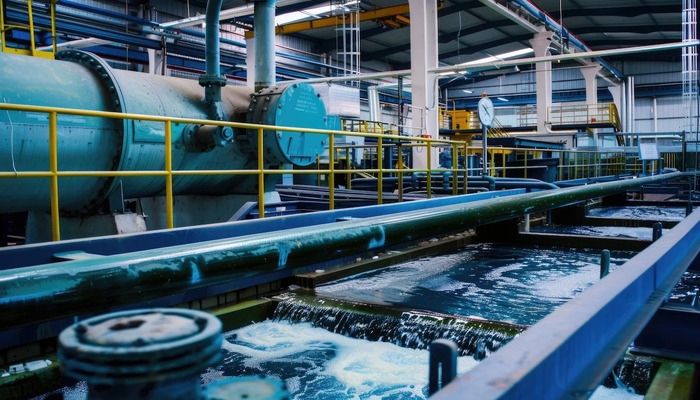
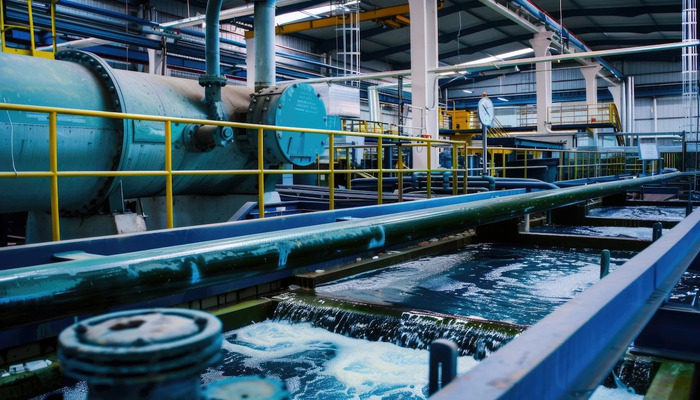
A Zero Liquid Discharge (ZLD) plant is a wastewater treatment system designed to eliminate all liquid waste by recovering clean water and converting all contaminants into solid waste. This process ensures that no liquid effluent is discharged into the environment, making it a highly sustainable water management solution.
Design and Process
-
ZLD systems are designed based on the volume and composition of wastewater and regulatory requirements.
-
The process commonly involves pre-concentration using technologies like electrodialysis, membrane filtration, and reverse osmosis to recover a large portion of water.
-
Concentrated brine undergoes evaporation and crystallization, often using energy-efficient evaporators such as falling film evaporators, to separate water vapor from the dissolved solids.
-
The vapor is condensed to produce purified water for reuse.
-
Solid residues from crystallization are collected for safe disposal or further processing.
-
The system design focuses on optimizing energy consumption, footprint, and operational control.
-
Instrumentation and control systems monitor parameters like flow rate, TDS, pH, and temperature to maintain efficiency.
Applications and Uses
-
Industrial wastewater treatment to comply with stringent discharge regulations.
-
Power plants for treating boiler blowdown and effluent streams.
-
Chemical and pharmaceutical manufacturing requiring minimal wastewater discharge.
-
Textile, dyeing, and food processing industries aiming for water reuse.
-
Areas facing water scarcity where maximum water recovery is essential.
Key Benefits
- Industrial facilities generating highly polluted wastewater with complex contaminants.
- Power generation plants aiming for sustainable effluent management.
- Process industries with zero tolerance for liquid discharge or environmental pollution.
- Municipal wastewater treatment in water-stressed regions.
- Facilities seeking to minimize environmental impact and comply with zero discharge norms.
- The primary function of a ZLD plant is to reduce the volume of liquid waste by concentrating it, leaving only solid waste for final disposal.